cat-corner
Bored, Chubby Indoor Cat? The Exercise Fix Most Owners Miss
By the wagmello team 6 min read
Your cat sleeps 16 hours, pads to the bowl, eats, and goes back to the windowsill. The vet says a few pounds need to come off. So you switch to "light" food and brace for the dirty looks. Six months later the scale hasn't moved, and your cat is somehow even crankier. Sound familiar? Here's the part most owners miss: for an indoor cat, the real lever isn't the food bowl first: it's indoor cat exercise, done the way a cat is actually wired to move.
Why indoor cats get chubby and bored (it's the same problem)
A house cat is a small, solitary predator. In the wild, cats hunt roughly 10 to 20 short bursts a day, and only a fraction of those attempts succeed. That cycle (stalk, chase, pounce, kill, eat, groom, sleep) is hardwired. It burns calories and, just as importantly, it satisfies a deep behavioral drive.
Indoors, we accidentally delete almost all of it. Food appears in a bowl with zero effort. There's nothing to stalk. So the predatory energy has nowhere to go, and two things happen at once: the cat burns far fewer calories than its body expects, and it gets bored. The weight gain and the boredom aren't two separate problems. They're the same missing behavior showing up in two ways.
This matters more than aesthetics. Veterinary surveys consistently estimate that around half of pet cats in the US are overweight or obese, and excess weight is a leading risk factor for feline diabetes, arthritis, and urinary issues. A bored cat is also more likely to overgroom, wake you at 4 a.m., or redirect that pent-up energy into the side of your couch.
The fix most owners miss: it's not more play, it's the right play
When owners do try to exercise a cat, they usually reach for a laser pointer and wave it around for two minutes, or they drop a pile of toys on the floor and expect the cat to entertain itself. Both fail, and here's why.
A laser never lets the cat catch anything. The hunt sequence has no payoff, which can leave some cats frustrated rather than satisfied. And a static toy on the floor isn't prey: prey moves erratically, hides, and flees. Cats are ambush hunters triggered by movement away from them, not toward them. A motionless mouse on the carpet is, to a cat's brain, just furniture.
The fix is to recreate the full predatory arc and let it end in a win. That means movement that mimics fleeing prey (quick darts, a sudden freeze, a scurry behind a chair leg) followed by a successful pounce the cat can sink claws into. Do that, and you'll see a different animal: pupils blown wide, butt wiggling, then an all-out sprint. That's a workout and a mental reset in one.
A vet-informed play routine that actually slims a cat down
You don't need an hour. You need consistency and the right structure. A simple, repeatable framework:
- Two sessions a day, 10 to 15 minutes each. Short and frequent beats one long marathon. It matches the natural burst pattern and won't gas out an out-of-shape cat. Morning and early evening (right before their natural active windows) work best.
- Make the toy flee, not approach. Drag it away from your cat, around corners, under a blanket. Let it "hide" and twitch. Build tension, then let the cat catch it. The pause is where the hunting instinct ignites.
- Always end on a catch. Let the last pounce land so the session resolves the way a real hunt would. An unfinished hunt is a frustrated cat.
- Feed right after play. Hunt, then eat: that's the wild rhythm. A small portion after a session reinforces the cycle and often nudges a cat toward a calmer evening.
- Rotate the stimulus. Cats habituate fast. A toy that was thrilling on Monday is wallpaper by Friday, so swap textures, speeds, and movement styles to keep novelty high.
The honest catch with wand play: it only works when you are actively driving it, and most of us don't have two reliable 15-minute windows every single day. That's the real reason exercise plans fail: not laziness, just life. This is where the right gear quietly closes the gap.
Gear that keeps the hunt going when you can't
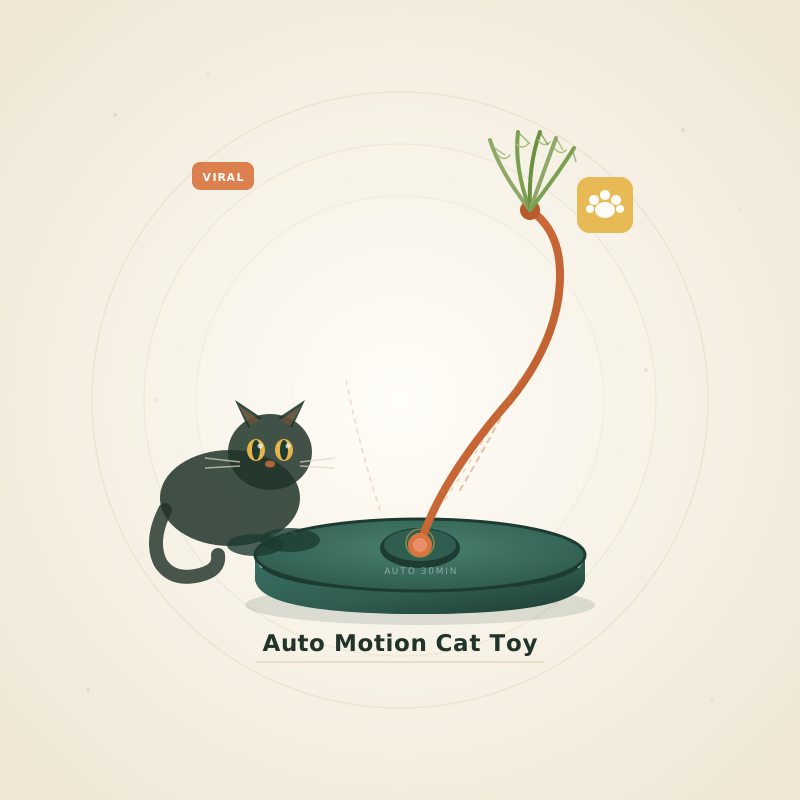
For the days you can't run a full wand session, an automated motion toy bridges it. The good ones move unpredictably (darting, pausing, changing direction) which is exactly the fleeing-prey behavior a static toy can't fake. The unpredictability is the point: a cat can't habituate to a pattern it can't predict, so the toy keeps triggering chase-and-pounce bursts on its own. Use it as a supplement on busy days and as a self-serve outlet during the hours you're at work, not as a full replacement for the bonding (and the precise control) of hands-on play.
A practical setup that works for a lot of households: hands-on wand play in the morning and evening when you're home, and a motion toy left available midday to break up the long boring stretch that otherwise turns into sleeping and snacking.
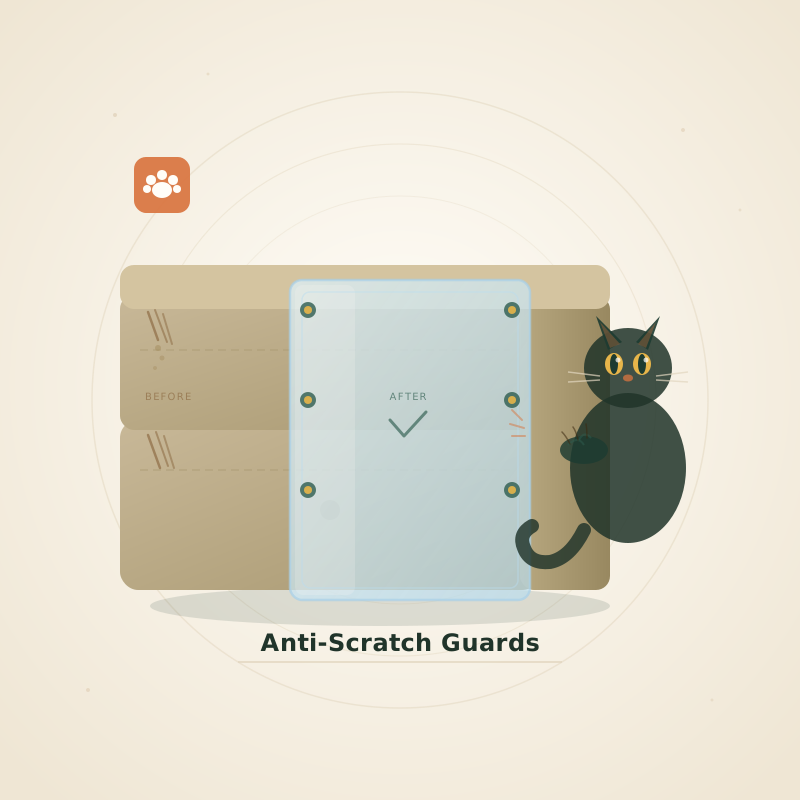
One more thing owners discover the hard way: as you ramp up a cat's activity, that energy has to land somewhere. A newly engaged cat scratches more: it's how they stretch, mark territory, and decompress after a hunt. If you don't give them a sanctioned target, your sofa becomes it. Pairing your new play routine with a sturdy, properly placed scratching post or pad redirects that surge onto something appropriate. Put it right where the unwanted scratching already happens and near where they sleep, since cats love a good scratch-and-stretch on waking.
Pace it, and watch the boredom go first
If your cat is currently a couch loaf, start gentle. Two or three minutes, let them win, build up over a couple of weeks. Overweight cats can be deconditioned, and panting, open-mouth breathing, or refusing to engage are signs to stop and check in with your vet, especially for flat-faced breeds or any cat with a known heart or breathing issue. Weight loss should be slow and steady; crash dieting a cat is genuinely dangerous and can trigger a serious liver condition, so combine measured food with movement rather than slashing calories alone.
Here's the encouraging part. You'll usually notice the behavior improve well before the scale does. Within a week or two of real, prey-style play, a lot of cats sleep more soundly, pester less, and stop treating the furniture like a target. The weight follows over the months. The bored, chubby cat on the windowsill doesn't need willpower or a stricter diet: it needs the hunt back. Give it that, on a schedule it can count on, and you'll have a leaner, calmer, and noticeably happier cat.
A quick note: This guide is general pet-care information, not veterinary advice. Every animal is different: if your pet is in distress or you're unsure, call your vet or an emergency animal hospital.