Anxiety & Calm
How to Calm a Dog During Fireworks and Thunderstorms (That Actually Works)
By the wagmello team 7 min read
More dogs go missing around the Fourth of July than any other time of year. Fireworks and thunderstorms trigger genuine panic, not stubbornness, not "being dramatic," but a real fear response your dog can't reason their way out of. The loud, unpredictable booms paired with flashing light and changes in air pressure hit every alarm in a dog's nervous system at once. The encouraging part: with a plan you set up before the noise starts, you can take a terrified dog and give them a fighting chance at staying calm. Here's how to calm a dog during fireworks and storms, step by step.
Why fireworks and storms hit so hard
Dogs hear far more than we do, and they can't tell that the noise is harmless or that it'll end soon. From their point of view, something enormous and threatening is happening with no explanation and no escape. Common panic signs include:
- Pacing, trembling, or hiding (bathrooms and closets are favorites)
- Excessive panting, drooling, or whining
- Destructive behavior (clawing at doors, chewing) driven by the urge to flee
- Refusing food or treats they'd normally love
- Bolting through doors or fences (the cause of all those lost-dog flyers)
Set up before the noise starts
Almost everything that works has to be in place before the first boom. Once a dog is in full panic, your options shrink dramatically. If you know fireworks or a storm are coming:
1. Build a safe den
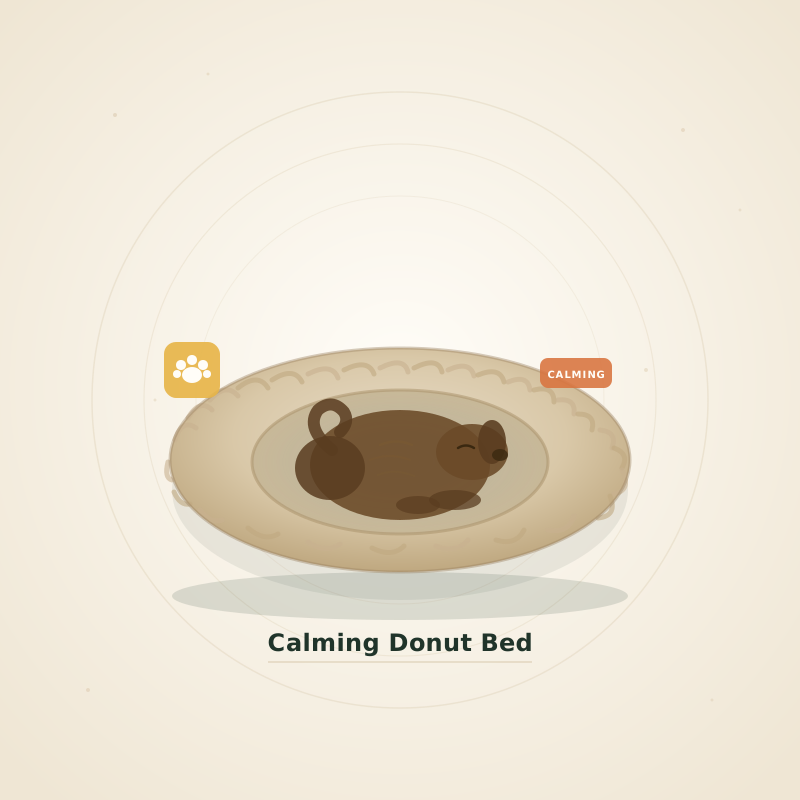
Pick the quietest, most interior room, away from windows. Make it cozy and den-like: a covered crate or a snug bed in a corner. Many dogs feel safest in an enclosed, walls-around-them space. A calming donut bed with a raised bolster rim gives a frightened dog something to burrow into and lean against, which a lot of dogs find genuinely settling. Add a worn t-shirt that smells like you.
2. Mask the sound
- Close windows, doors, and blinds to muffle noise and block flashes
- Run a fan, white-noise machine, or the TV at normal volume
- Play calm music: there are playlists made specifically for anxious dogs
- Don't try to drown out fireworks with loud music; steady background sound works better than volume
3. Use gentle, constant pressure
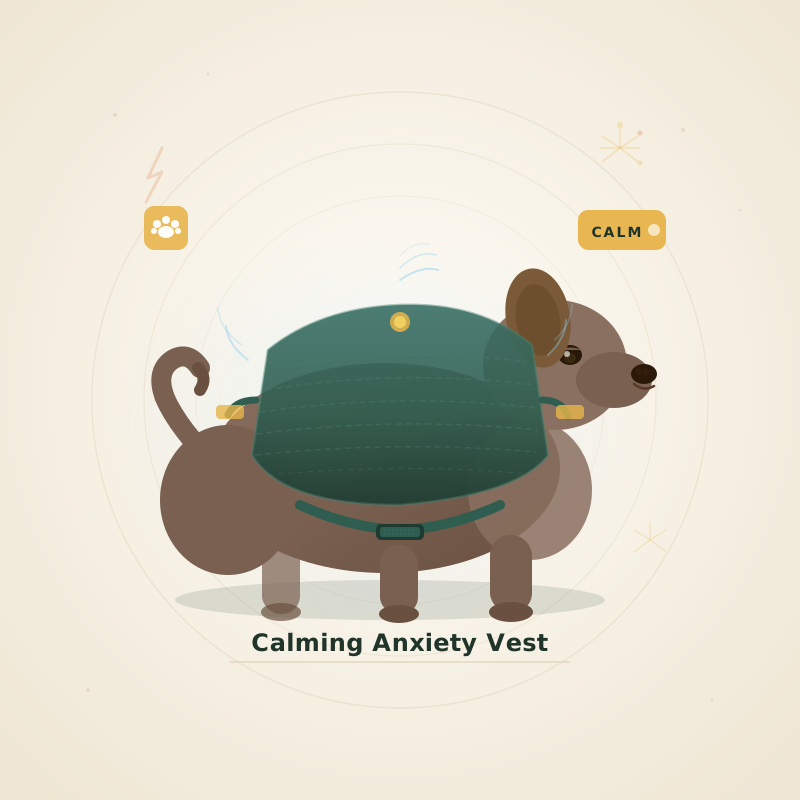
Steady pressure has a measurable calming effect on many anxious dogs, the same reason a weighted blanket helps people. A calming pressure wrap applies that gentle, even pressure around the torso. Put it on before your dog is anxious, not after, so they associate it with calm rather than panic. For dogs it works on, the difference can be striking.
4. Tire them out early
A long walk or a vigorous play session in the afternoon, well before dark, burns nervous energy and leaves your dog more inclined to rest. Get the walk in early; you do not want to be outside when the fireworks begin.
During the fireworks: what to actually do
Stay calm yourself
Dogs read us constantly. If you're tense and hovering, you confirm that something is wrong. Be relaxed and matter-of-fact. And ignore the old myth that comforting a scared dog "rewards" the fear. You cannot reinforce an emotion. If your dog wants to be near you, let them. Calm presence helps.
Redirect with a high-value distraction
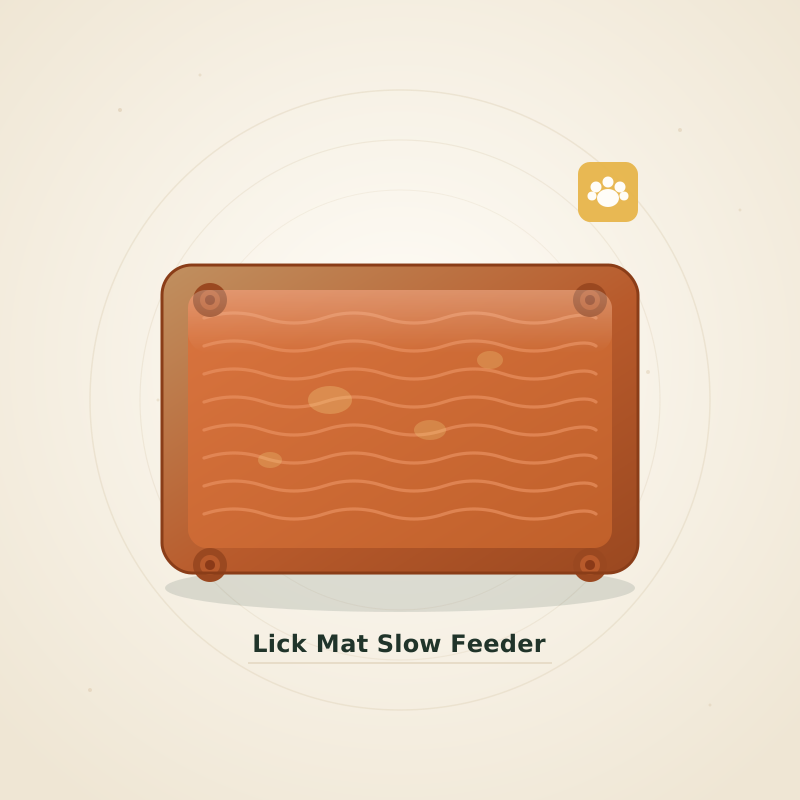
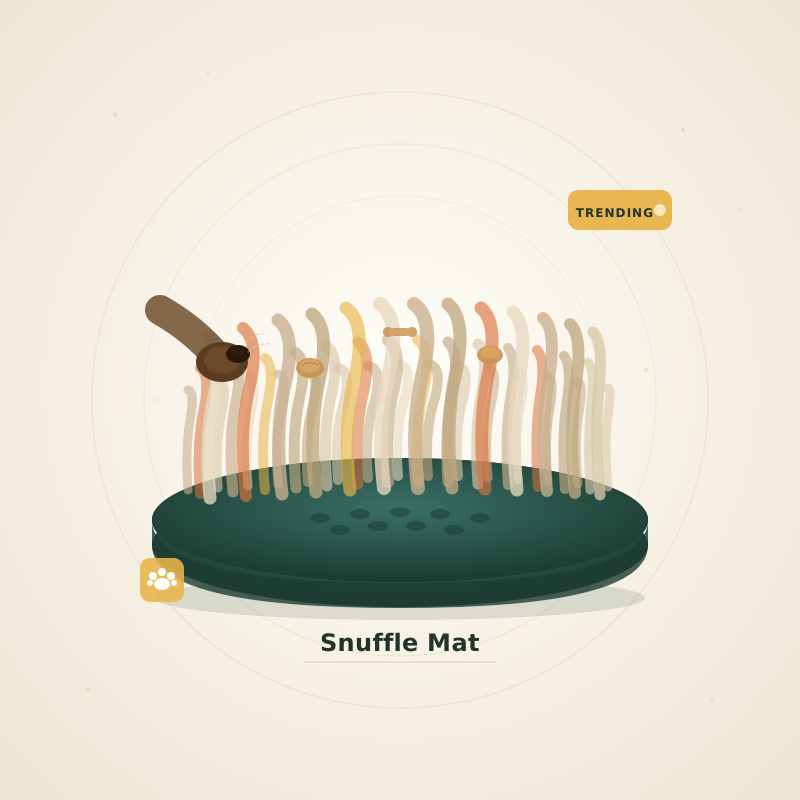
A dog that's chewing or licking can't be fully panicking at the same time: the action is self-soothing. A lick mat smeared with something amazing (peanut butter, wet food, plain yogurt) gives an anxious dog a repetitive, calming job. A snuffle mat with kibble hidden in it does the same through foraging. Prep these in advance and bring them out the moment the noise starts.
Let them hide: don't drag them out
If your dog wants to wedge under the bed or sit in the bathtub, that's them coping. Forcing a terrified dog into the open makes it worse. Make sure their chosen safe spot is accessible and leave them the choice.
Prevent the worst outcome: escapes
The single most important safety step is making sure a panicked dog can't get out and can be found if they do:
- Keep your dog indoors and double-check that doors and gates are secure
- Confirm ID tags and microchip details are current before the holiday
- Warn guests not to leave doors open: most escapes happen in the chaos of comings and goings
- If you must be outside, keep your dog leashed even in a fenced yard
When to talk to your vet
Some dogs have noise phobia severe enough that environmental management isn't enough. If your dog hurts themselves trying to escape, won't eat for hours, or stays panicked long after the noise stops, talk to your vet. There are safe anti-anxiety medications and longer-term desensitization programs that can change the picture entirely. There's no shame in it, for a severely phobic dog, it's the kindest option.
Your fireworks-night game plan
Pulled together: walk early, set up a quiet interior den with a cozy bed, put the pressure wrap on before dark, mask the noise with a fan and calm sound, and keep a loaded lick mat ready to redirect. Lock the doors, check the tags, stay relaxed. You can't stop the fireworks, but with a plan in place before the first boom, you can make them survivable for the most anxious dog. The calming gear below is what we'd set out first. Get it ready before the next storm, not during it.
A quick note: This guide is general pet-care information, not veterinary advice. Every animal is different: if your pet is in distress or you're unsure, call your vet or an emergency animal hospital.