cat-corner
Why Isn’t My Cat Drinking Water? Causes, Risks, and the Easy Fix
By the wagmello team 6 min read
If your cat seems to ignore the water bowl for days, you're not imagining it, and you're right to be a little uneasy. A cat not drinking water is one of those quiet problems that doesn't look like an emergency until it suddenly is. The good news: most of the time the cause is normal feline biology, not illness, and the fix is genuinely simple. But you do need to rule out the dangerous causes first.
Cats are built to drink badly
Domestic cats descend from desert-dwelling African wildcats. Their ancestors got nearly all their moisture from fresh prey, which is roughly 70% water, so cats never evolved a strong, reliable thirst drive the way dogs or humans did. Left to their own instincts, a cat will chronically under-drink and not feel thirsty about it.
That's fine if your cat eats wet food, which is around 75% water. It becomes a real problem if your cat eats only dry kibble (about 10% water). A kibble-fed cat has to make up that entire moisture deficit at the bowl, and many simply don't. So before you panic, ask: is my cat on dry food, wet food, or both? That single answer reframes the whole situation.
Why your cat avoids the bowl specifically
Even cats that need water often refuse the bowl you've put out, for reasons that have nothing to do with being sick:
- Whisker fatigue. Deep, narrow bowls bend a cat's sensitive whiskers against the sides with every sip. Many cats find this genuinely unpleasant and will walk away rather than tolerate it.
- Still, stale water. In the wild, standing water can mean stagnant, unsafe water. Cats are instinctively drawn to moving water and put off by a bowl that's been sitting since this morning.
- Location near food or litter. Cats instinctively separate their water source from their food and especially from their toilet. A bowl parked next to either one gets avoided.
- Plastic taste and odor. Plastic bowls hold smells and can taint the water. Some cats are picky enough to refuse it.
- They're drinking where you can't see. Faucets, the shower floor, your glass, the toilet. If your cat is sneaking sips elsewhere, "not drinking" may just be "not drinking here."
When it's not behavior, it's a warning sign
Here's the part to take seriously. A sudden, real drop in drinking, or the opposite (a cat suddenly drinking far more than usual) can signal disease. Watch for these alongside the water changes:
- Sharply increased thirst and urination can point to chronic kidney disease, diabetes, or hyperthyroidism, all common in middle-aged and senior cats.
- Straining in the litter box, frequent tiny urinations, blood, or crying can mean a urinary tract issue or a blockage. In male cats, a blockage is a true emergency, get to a vet the same day.
- Lethargy, hiding, not eating, vomiting, or bad breath alongside reduced drinking warrants a call to your vet.
A fast dehydration check at home: gently lift the skin at the scruff of the neck. In a hydrated cat it snaps back instantly. If it stays tented or returns slowly, your cat is dehydrated, call your vet. Also check the gums; they should be moist and slick, not tacky or dry. If your cat hasn't touched water or food for more than about 24 hours, don't wait it out, that's a vet visit.
Why dehydration matters more in cats
Because cats run a chronic moisture deficit, their kidneys do a lot of quiet work concentrating urine. Over years, that pattern is linked to chronic kidney disease, the leading cause of death in older cats, and to urinary crystals, stones, and the painful condition vets call FLUTD. Keeping a cat well-hydrated isn't just comfort, it's one of the most protective things you can do for their kidneys and bladder over a lifetime. This is exactly why "my cat doesn't drink much" is worth solving rather than shrugging off.
The easy fix that actually works
Once you've ruled out the medical red flags, the practical fixes are straightforward, and most owners see results within days.
1. Add wet food. The single most effective move. Even swapping one meal a day to wet food meaningfully raises total water intake without your cat having to "decide" to drink. You can also stir a tablespoon of warm water or unsalted broth into meals.
2. Fix the bowl setup. Use a wide, shallow ceramic or stainless dish so whiskers don't touch the sides. Move it away from food and litter. Put out multiple water stations around the house, cats drink more when water is convenient.
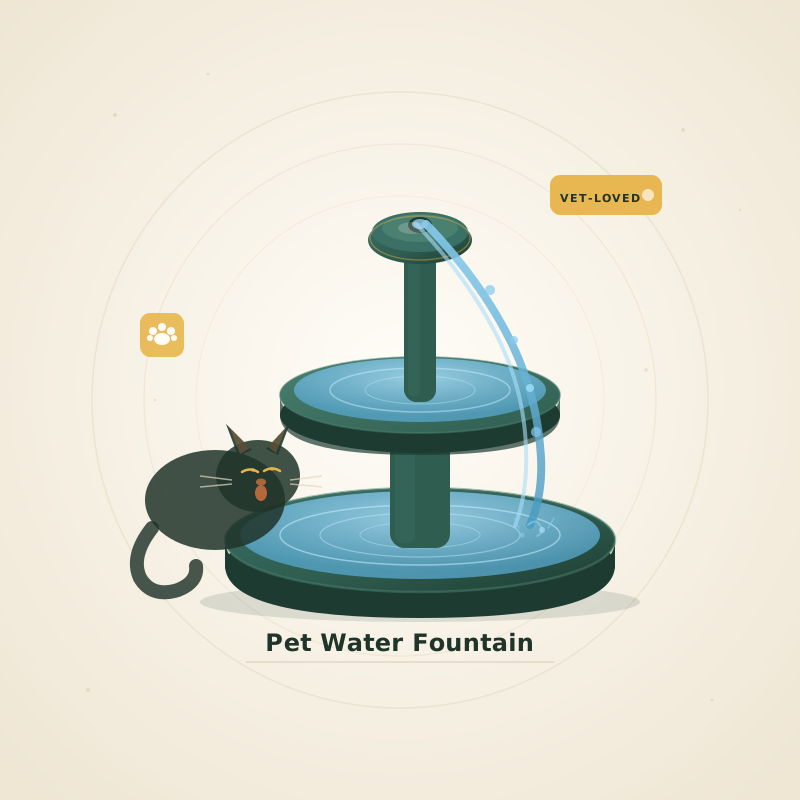
3. Give them moving water. This is the change that flips the switch for a huge number of fussy cats. Because cats are instinctively drawn to flowing, oxygenated water, a circulating pet water fountain taps directly into that drive, the moving stream looks fresher and more inviting than any still bowl, and many cats that ignored a dish will happily lap from a fountain. A good cat drinking fountain also filters out hair and debris and keeps the water aerated and cool, so it never goes stale between refills, exactly the things that made the old bowl unappealing.
Set the fountain somewhere quiet but accessible, run it continuously so the sound becomes familiar, and keep it clean, rinse and refill every few days and run the pump and filter through the routine the maker recommends. If your cat is fountain-curious but hesitant at first, leave a regular bowl alongside it for a week so there's no pressure; most cats convert on their own once the novelty wears off.
What to do this week
Start by checking for the red-flag symptoms above, and if any are present, call your vet rather than troubleshooting at home. If your cat is otherwise bright, eating, and acting normal, treat it as a hydration-habit problem: add wet food, upgrade to a wide shallow bowl in a better spot, and introduce a flowing water fountain to work with your cat's instincts instead of against them. It's a small change that pays off in fewer urinary scares and healthier kidneys for years. If drinking hasn't improved within a few days despite these changes, loop in your vet to be safe.
A quick note: This guide is general pet-care information, not veterinary advice. Every animal is different: if your pet is in distress or you're unsure, call your vet or an emergency animal hospital.