travel-safety
What to Do If Your Dog Gets Lost (and How to Never Lose Them)
By the wagmello team 6 min read
The moment you realize your dog is gone, your heart drops and your brain goes quiet. That panic is normal, but the first few hours are also when fast, organized action makes the biggest difference. Knowing exactly what to do if your dog gets lost, before it ever happens, turns helpless dread into a plan you can actually run. This guide walks through the recovery steps in order, then covers how to set things up so a missing dog comes home in minutes instead of days.
First, understand how lost dogs actually behave
Most owners imagine their dog trotting purposefully away. The reality is different, and it shapes your search. A spooked dog, startled by fireworks, a car backfire, or a slammed gate, often goes into flight mode and can cover several miles, ignoring its own name and even its owner's voice. A dog that simply wandered off following a scent usually stays much closer and loops back toward home or familiar areas.
This matters because it tells you where to look. For a panicked dog, broaden your search radius and move quietly; loud calling can push a frightened animal further away. For a curious wanderer, focus on the immediate neighborhood, yards, and the route of your usual walks. Either way, bring high-value treats and a leash, and resist the urge to chase: a dog in flight mode will almost always outrun you and may bolt into traffic.
The first hour: a step-by-step recovery plan
Speed and structure beat frantic energy. Work this list in order:
- Search the immediate area on foot, calmly. Walk, don't run. Use a relaxed, happy voice, or stay quiet and shake a treat bag. Crouch down to look smaller and less threatening. Check under porches, decks, parked cars, and dense shrubs, where scared dogs hide.
- Recruit help and split up. One person stays home in case the dog returns; others fan out in different directions. Give everyone your phone number and a recent photo.
- Leave a scent station at home. Place your dog's bed, a worn shirt of yours, and their water bowl outside your door. Many dogs circle back to a familiar smell, especially overnight.
- Call, don't just post. Phone every nearby vet clinic, emergency animal hospital, and the local shelter or animal control. Lost dogs are frequently brought straight to these places. Ask each one how they log found animals so you can check back daily.
- Post where your neighbors actually look. Neighborhood apps, local Facebook lost-pet groups, and Nextdoor reach people faster than flyers in the first hours. Include a clear photo, your location, the time and place last seen, and a phone number, not just a DM request.
Hours 2 to 24: widen the net
If the first sweep doesn't work, escalate methodically. Make bold, weather-proof flyers with a large photo and the word "LOST" readable from a passing car; staple them at eye level at intersections, parks, and the entrances to your neighborhood. File a report with your microchip registry and confirm your contact details there are current: an out-of-date chip is one of the most common reasons reunited dogs aren't reunited. Drive your search route at dawn and dusk, when streets are quiet and dogs are most active, and keep checking shelter intake lists in person; a stressed dog may not look like its photo, and staff descriptions can miss details only you would recognize.
Throughout, keep your phone charged and answered. The single most common reason a found dog isn't returned quickly is an owner who can't be reached.
How to (almost) never lose them in the first place
Recovery plans are essential, but prevention is where you win. A few layered habits dramatically lower the odds your dog ever goes missing, and shorten the search if it does.
Build a redundant ID system. No single safeguard is enough on its own, so stack them. Every dog should wear a flat collar with a legible ID tag carrying your current phone number. Underneath that, a microchip provides permanent, scan-able identification that can't fall off, but it only works if a shelter or vet scans it, and only if your registry info is up to date. The gap in both systems is the same: they're passive. A tag relies on a stranger reading it; a chip relies on someone bringing your dog somewhere with a scanner. Neither helps you find a dog hiding under a deck two streets over at 2 a.m.
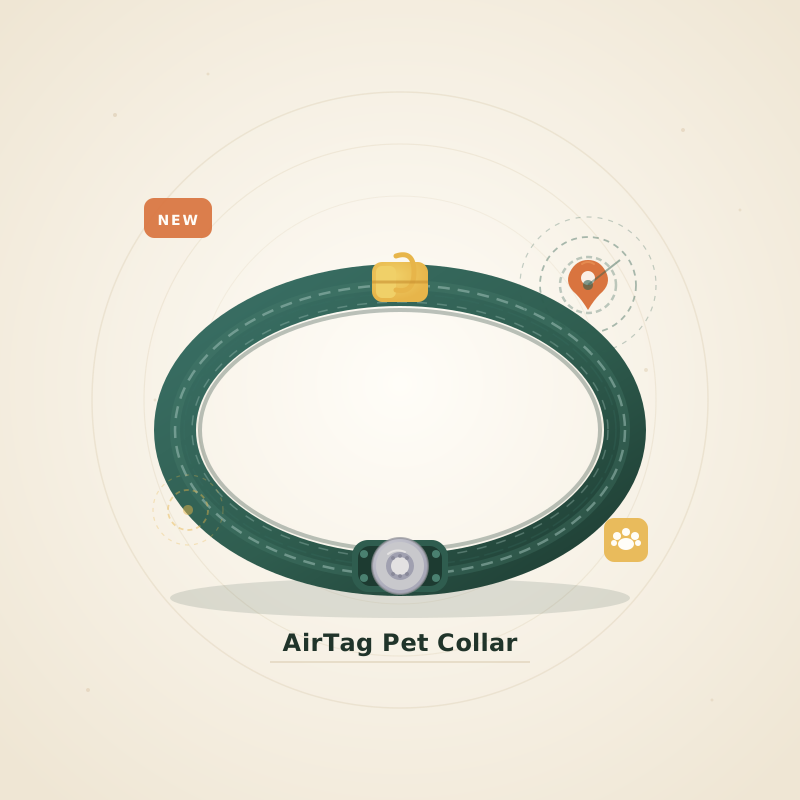
That's where real-time location tracking changes everything. A lightweight tracker on the collar lets you see your dog's location from your phone the instant you notice they're gone, so you can head straight to them instead of guessing. Our AirTag tracking collar is built to hold an Apple AirTag securely in a low-profile pocket, turning Apple's enormous Find My network into a search party: any nearby iPhone can anonymously relay your dog's location back to you, even far from home. It pairs the proven, durable comfort of a daily-wear collar with the one thing tags and chips can't offer: a live trail you can follow in the moment that counts.
Train the recall that brings them back
Gear gets you to your dog; training gets your dog to you. A reliable recall is the cheapest insurance you can buy. Practice in short, upbeat sessions: say your dog's name and a cue like "come," then reward generously the instant they turn toward you, every single time, with something better than what they left behind. Never call your dog to you for something unpleasant (a bath, nail trim, or scolding), or you'll teach them that coming back has a cost. For a dog that bolts when frightened, a "find it" or treat-scatter game builds the habit of orienting back to you under stress.
Equally important: secure the exits. Most escapes are mundane: a gate left ajar, a door held open for groceries, a gap in the fence. Walk your yard quarterly looking for dig spots and loose boards, use a baby gate at your front door during high-traffic moments, and clip the leash on before you open the car door.
Keep a "lost dog" kit ready
You won't be thinking clearly in the moment, so prepare now. Keep a folder, digital and printed, with a clear recent photo, your microchip number and registry login, your vet and local shelter phone numbers, and a pre-written flyer you can fill in. Confirm your dog's ID tag is legible and their tracker is charged. Ten minutes of setup today can save you a sleepless, searching night later.
A lost dog is one of the most frightening experiences an owner can face, but it's also one of the most recoverable, especially when you've stacked the odds in your favor. Pair a calm, ordered search with layered ID, live tracking, and a solid recall, and you transform a worst-case scenario into a problem you're equipped to solve. The best outcome, of course, is the one where your preparation means you find them before you've even finished panicking.
A quick note: This guide is general pet-care information, not veterinary advice. Every animal is different: if your pet is in distress or you're unsure, call your vet or an emergency animal hospital.