grooming
How to Stop Dog Shedding: What Actually Works (and What Doesn’t)
By the wagmello team 6 min read
If you searched how to stop dog shedding, here's the honest answer first: you can't stop a healthy dog from shedding entirely. Shedding is how a dog cycles out old and damaged hair, and every coated breed does it. What you absolutely can do is cut the amount of loose fur ending up on your floors, your couch, and your clothes by 60-80%. Most of that comes from a handful of things that actually work, not the gadgets and supplements the internet keeps pushing.
Let's separate the two.
First, rule out the shedding that isn't normal
Before you change anything, look at how your dog is shedding. Normal shedding is even across the body and leaves the coat looking healthy. The following are not normal and mean a vet visit, not a new brush:
- Bald patches or symmetrical hair loss, often hormonal (hypothyroidism, Cushing's) or a skin infection.
- Itching, redness, scabs, or a greasy smell, usually allergies, fleas, or a yeast/bacterial issue.
- A sudden dramatic increase in a dog that normally sheds lightly, from stress, diet change, or illness.
Roughly a third of "my dog is shedding too much" complaints vets see trace back to an underlying issue. No tool fixes those. Get the cause treated and the excess shedding usually resolves on its own.
What actually reduces shedding
1. Brush more often than you think you need to
This is the single highest-impact thing you can do, and most owners under-do it. Brushing physically removes loose undercoat before it falls out on its own. The fur you capture in a brush is fur that never makes it to the carpet.
How often depends on the coat. Double-coated breeds (Huskies, Golden Retrievers, German Shepherds, Australian Shepherds) need brushing several times a week year-round, and ideally daily during the spring and fall "coat blow" when they drop their undercoat in earnest. Short, single-coated dogs can get away with once or twice weekly.
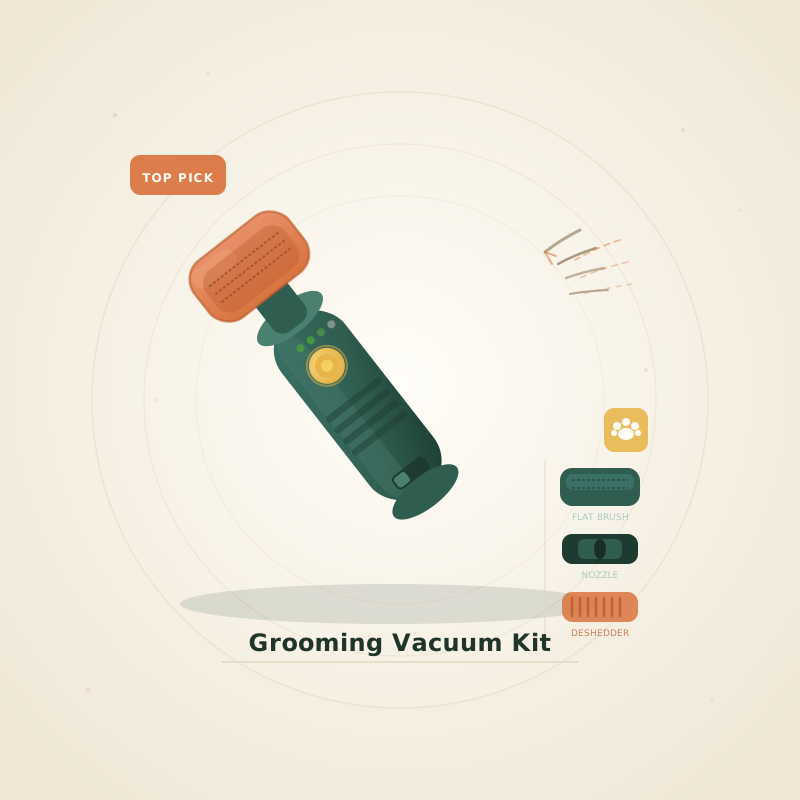
The mess problem is real, though. Anyone who's de-shed a Husky on the kitchen floor knows that loose fur doesn't stay on the brush: it drifts off and resettles everywhere, so you end up vacuuming the room after grooming anyway. That's exactly why a cordless de-shedding vacuum that pulls fur straight into a dust cup as you brush earns its keep on heavy shedders. The brush and suction work at the same time, so the undercoat goes into the canister instead of into the air. For a double-coated breed in shedding season, it turns a 40-minute floor disaster into a clean 15-minute session. It's not magic. It's just removing the step where the fur escapes.
2. Feed the coat from the inside
A dull, brittle coat sheds more, and diet is the biggest lever here. Make sure your dog is on a complete diet with adequate animal protein: the coat is mostly protein, and a deficiency shows up in the fur first.
The one supplement with genuine evidence behind it is omega-3 fatty acids (EPA and DHA, from fish oil). Omega-3s support the skin barrier and reduce inflammation, which means less dry, flaky skin and less compensatory shedding. Ask your vet for a dose appropriate to your dog's weight. This is a real intervention with a real effect, unlike most "anti-shed" chews, which are mostly the same fish oil at a markup with added filler.
Hydration matters too. A chronically under-hydrated dog has drier skin and a worse coat. Most dogs self-regulate fine with constant access to fresh water.
3. Bathe correctly, not constantly
A bath with a quality de-shedding shampoo loosens dead undercoat so you can brush it out afterward (the brushing is what removes it, the bath just makes it easier). But over-bathing strips natural oils and dries the skin, which increases shedding. For most dogs, once every 4-6 weeks is plenty unless they've rolled in something. Always brush thoroughly once the coat is fully dry: a wet undercoat mats and the shed fur stays trapped.
What doesn't work (stop spending on these)
- "Shed-stopping" pills and gummies, there's no supplement that halts the shed cycle. The ones that help at all are just omega-3s; buy plain fish oil instead.
- Shaving a double-coated dog, this is actively harmful. The double coat insulates against both heat and cold, and shaving can permanently damage how it grows back. It does not reduce shedding; it just changes the length of what falls out.
- Expensive air purifiers as a shedding fix, they help with dander floating in the air, but they do nothing about the fur already on your furniture.
- Generic slicker brushes on a heavy shedder, fine for maintenance, but they don't reach deep undercoat the way a proper de-shedding tool does.
The cleanup half of the equation
Even with perfect brushing, some fur will get loose. That's just physics. The goal is to make the cleanup fast enough that it stops feeling like a chore.
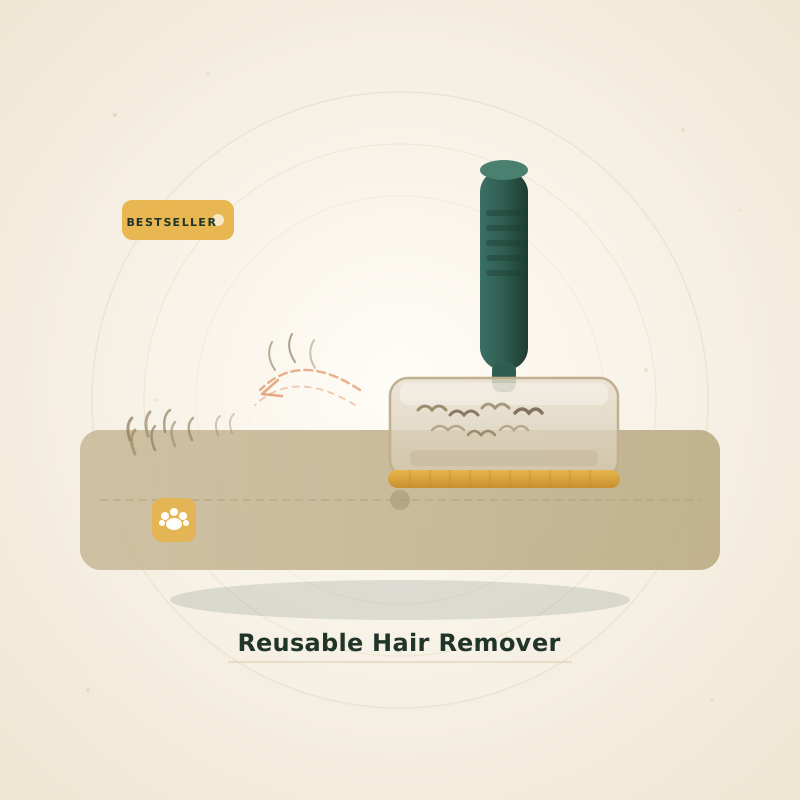
For fabric (couches, car seats, clothes, the dog bed), a reusable, no-refill pet hair roller beats the disposable sticky-sheet kind in every way that matters. It captures fur into a built-in chamber you empty with one click, so there's no recurring cost and nothing to run out of mid-clean. Keep one by the front door and one in the car and you'll deal with shed fur in passing instead of letting it build up.
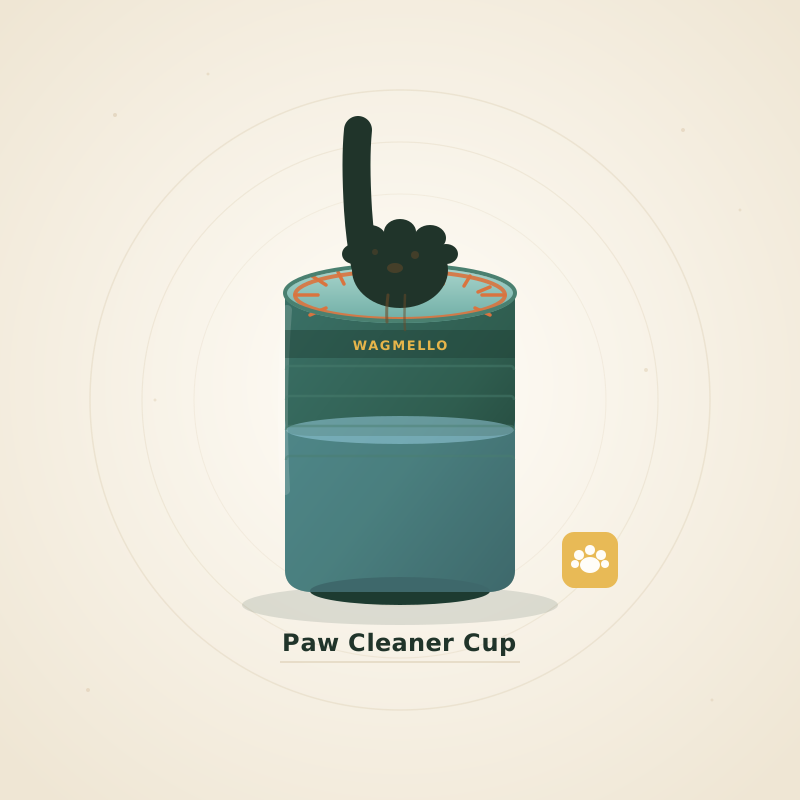
The other underrated source of fur and mess is the paws. Dogs track in loose hair, dander, dirt, and allergens from outside, and that debris ends up redistributed across the house. A quick wipe with a soft-bristle paw cleaner at the door after walks cuts down on what gets dragged in. It's a small habit that quietly keeps the floors cleaner between vacuums and is worth it for allergy-prone households especially.
The realistic routine
Put together, here's what actually moves the needle: brush on a schedule that matches your dog's coat (and capture the fur as you go), add vet-dosed omega-3s, bathe occasionally rather than often, and make fabric and paw cleanup fast enough that you'll actually do it. Skip the miracle supplements and never shave a double coat.
Do those, and you won't stop the shedding (no one can), but you'll go from "fur on everything, all the time" to "barely notice it." That's the real win, and it's entirely achievable with consistency and the right couple of tools rather than a cabinet full of products that don't do anything.
A quick note: This guide is general pet-care information, not veterinary advice. Every animal is different: if your pet is in distress or you're unsure, call your vet or an emergency animal hospital.