Summer & Cooling
How to Keep Your Dog Cool in Summer: A Vet-Informed Heat Safety Guide
By the wagmello team 7 min read
Dogs don't cool themselves the way we do. They have sweat glands only in their paw pads, so almost all of their heat regulation happens through panting, and panting stops working well once the air around them gets hot and humid. That's why a dog can go from "a little warm" to a genuine medical emergency in well under an hour on a summer afternoon. The good news: heat stroke is almost entirely preventable once you know what to watch for and how to set your dog up to stay cool.
Know the temperatures that turn dangerous
There's no single magic number, because humidity, coat type, age, and weight all change the math. But as a working rule of thumb:
- 70-77°F (21-25°C): generally safe for most dogs with shade and water.
- 78-85°F (26-29°C): use caution: short walks, avoid midday, watch heavy panters.
- 86°F+ (30°C+): risky for any dog, dangerous for flat-faced breeds, seniors, and overweight dogs.
- Pavement test: press the back of your hand to the sidewalk for 7 seconds. If you can't hold it, it's too hot for paws.
Flat-faced (brachycephalic) breeds like Pugs, Bulldogs, Boxers, and Frenchies overheat far faster than the numbers above suggest, because their airways are already restricted. Treat their "danger line" as roughly ten degrees lower than you would for a Labrador.
The early warning signs of overheating
Catching heat stress early is the entire game. By the time a dog collapses, you've already missed several warning stages. Watch for these, in roughly the order they appear:
- Heavy, fast panting that doesn't slow down when the dog rests
- A bright red tongue and gums; thick, ropey drool
- Seeking shade, lagging behind, or lying down and refusing to move
- Glassy eyes, a dazed expression, or wobbling / stumbling
- Vomiting or diarrhea
If you see stumbling, collapse, or vomiting, treat it as an emergency. Move your dog to shade, wet them with cool (not ice-cold) water, offer small sips, and get to a vet immediately. Heat stroke can damage organs even after the dog "seems fine."
How to keep your dog cool in summer: the prevention checklist
1. Reschedule the day around the heat
Walk early in the morning and again after sunset, when the pavement has had time to cool. Skip the midday walk entirely on hot days: a few minutes of backyard sniffing beats a heat injury. Never, ever leave a dog in a parked car; interior temperatures climb 20°F in ten minutes even with the windows cracked.
2. Make cool water effortless to reach
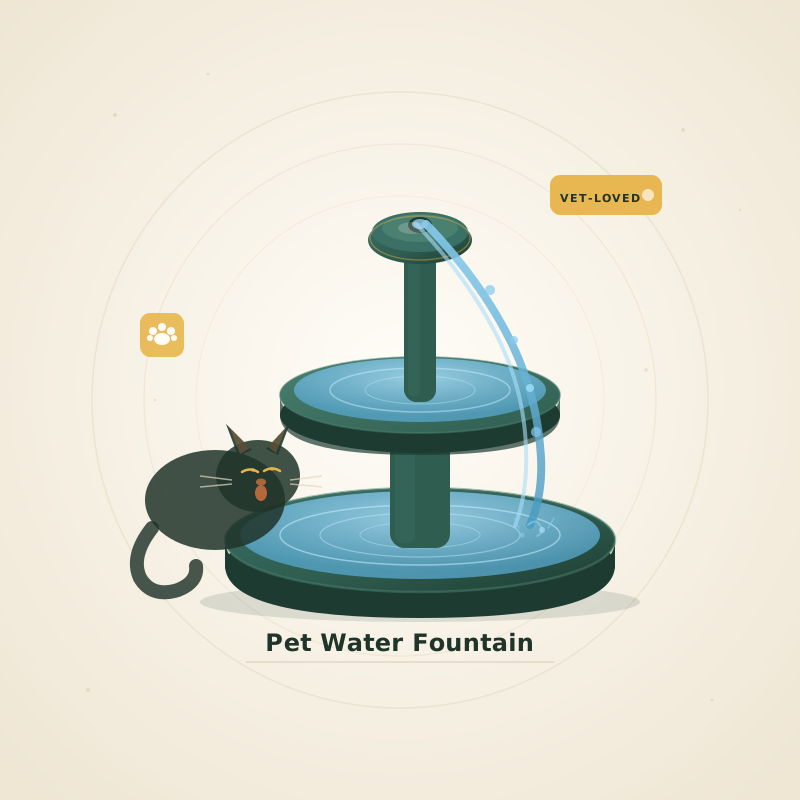
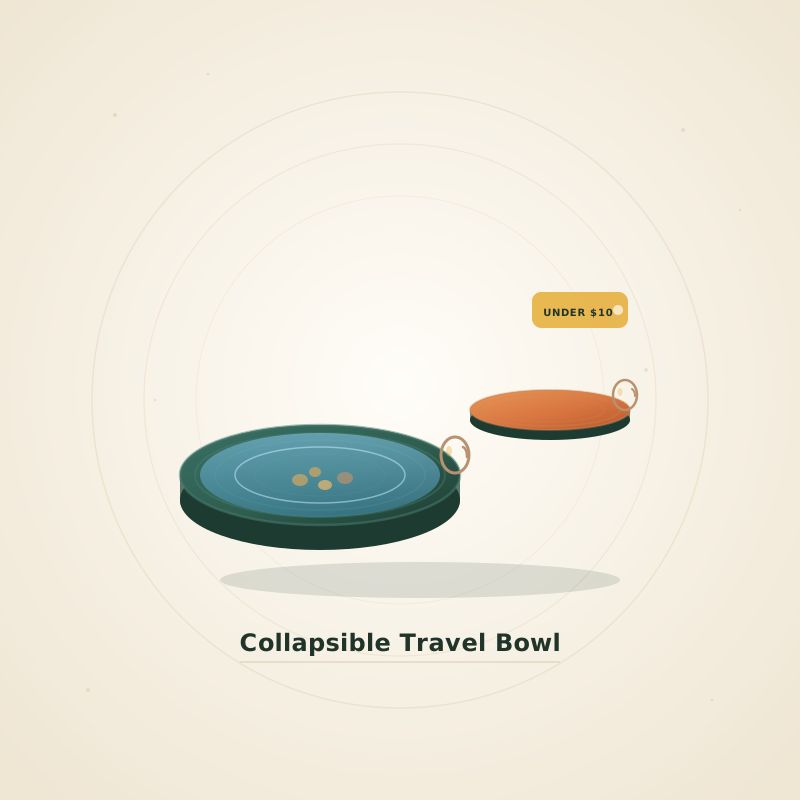
Dehydration accelerates overheating, and many dogs simply don't drink enough from a stale bowl. A filtered pet water fountain keeps water moving, cool, and appealing, which reliably increases how much dogs and cats drink in hot weather. For walks and car trips, a collapsible travel bowl means you always have a way to offer water the moment your dog starts panting hard: clip it to a leash or toss it in a bag.
3. Use active cooling, not just shade
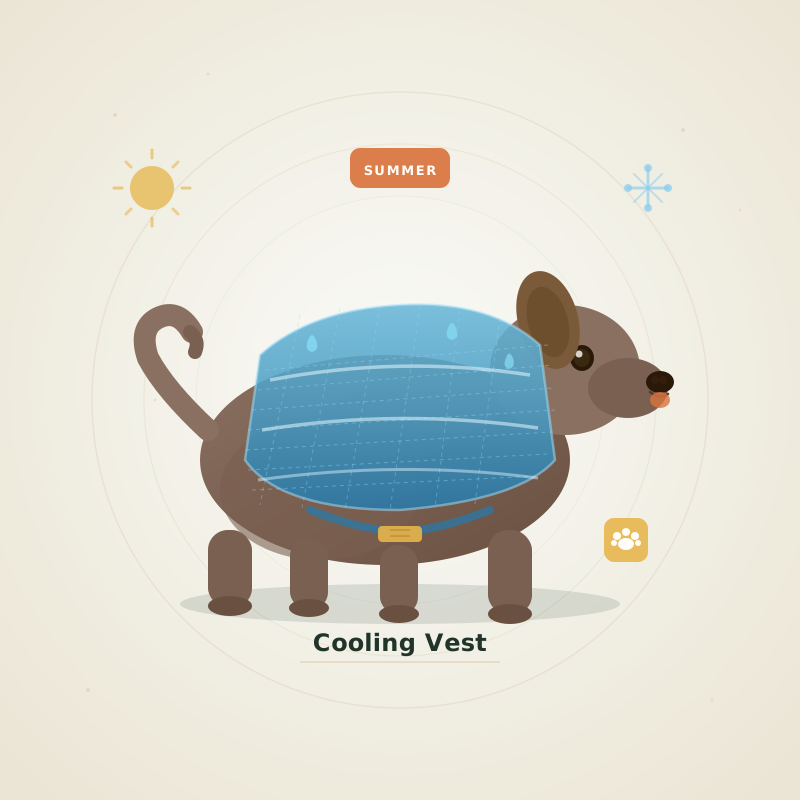
Shade slows heat gain; it doesn't actively cool a dog that's already warm. For high-risk days, hikes, or breeds that struggle, an evaporative cooling vest is the single most effective piece of gear you can add. You soak it, wring it out, and put it on: as the water evaporates it pulls heat away from the dog's core, the same principle as sweat. It buys you real minutes of safety margin on a hot trail or at an outdoor event.
4. Create cool zones at home
- Run a fan at floor level: dogs lie low, and that's where you want moving air
- Freeze a damp towel and lay it where your dog rests
- Offer ice cubes or a frozen treat-stuffed toy as a cool-down activity
- Keep blinds drawn on the sunny side of the house during peak hours
Dogs that need extra care
Some dogs sit permanently in the higher-risk category and deserve a more conservative plan:
- Flat-faced breeds: restricted airways mean panting is far less effective
- Seniors and puppies: weaker temperature regulation
- Overweight dogs: extra insulation, more heat to shed
- Thick double-coated breeds (Huskies, Malamutes): built for cold, not heat
- Dogs with heart or breathing conditions: talk to your vet about hot-weather limits
A simple hot-day routine
Put it all together and a safe summer day looks like this: walk at dawn, fresh cool water available all day (a fountain indoors, a folding bowl in the bag), blinds down and a fan running through the afternoon, a cooling vest for any outdoor outing, and a hard rule against midday pavement and parked cars. None of it is complicated. It's just consistent. Do this and "how to keep your dog cool in summer" stops being a worry and becomes a habit your dog never even notices.
The gear below is what we'd reach for first. Pick what fits your dog, and have a cooler, calmer summer.
A quick note: This guide is general pet-care information, not veterinary advice. Every animal is different: if your pet is in distress or you're unsure, call your vet or an emergency animal hospital.