anxiety-calm
Dog Separation Anxiety: How to Help a Dog That Panics When You Leave
By the wagmello team 6 min read
If your dog falls apart the moment you reach for your keys, you already know how heartbreaking it is. Pacing, howling, drooling, scratched-up doors, accidents from a fully house-trained dog. Dog separation anxiety is not stubbornness or spite, and it is not a dog "getting back at you." It is genuine panic, closer to a human panic attack than to bad behavior. The good news: it is one of the most treatable behavior problems in dogs, as long as you treat the emotion underneath it rather than just the noise and the mess.
This guide walks through how to tell real separation anxiety apart from boredom, why the standard "ignore it and they'll learn" advice often backfires, and a concrete, vet-informed plan you can start this week.
Is it actually separation anxiety, or just boredom?
This distinction matters because the fixes are completely different. A bored dog is under-stimulated; an anxious dog is afraid of being alone. Get it wrong and you can waste months.
True separation anxiety tends to show these markers:
- It starts fast. Distress usually begins within the first 15-30 minutes after you leave, often within minutes. Boredom-driven chewing tends to be spread out and exploratory.
- It's tied to your absence specifically. The dog is calm when a family member is home but panics when truly alone, even with another dog present.
- Pre-departure anxiety. The dog gets agitated at "trigger" cues, your shoes, coat, or keys, before you've even opened the door.
- Physical panic signs. Excessive drooling, dilated pupils, frantic pacing, trembling, or self-injury at doors and windows (broken nails, bloody paws, damaged teeth from chewing crate bars).
- Escape-focused destruction. Damage concentrated at exit points rather than random objects around the house.
The single most useful diagnostic step is to film your dog when you leave. Set up a phone or pet camera and watch the first 30 minutes. A dog that settles after a few minutes and sleeps is bored or simply adjusting. A dog that paces, vocalizes, and never relaxes is anxious. Vets and veterinary behaviorists rely heavily on this footage, so it's worth capturing before you do anything else.
Rule out medical and other causes first
Before assuming anxiety, a vet visit is genuinely warranted, especially if the behavior appeared suddenly in an adult or senior dog. Sudden-onset distress can be linked to pain, gastrointestinal issues, cognitive decline in older dogs, or incontinence being mistaken for "anxiety accidents." Noise phobias (storms, fireworks) and generalized anxiety can also masquerade as separation issues. A clean bill of health lets you build a behavior plan with confidence.
The core fix: gradual desensitization
The proven approach is systematic desensitization and counter-conditioning. In plain terms: you teach your dog that being alone is safe and even pleasant, in increments small enough that they never tip into panic. The cardinal rule is to avoid full-blown anxiety episodes during training, because every panic attack reinforces the fear. That often means a temporary "no real absences" period, using a dog walker, daycare, or a friend so your dog is never left long enough to spiral while you rebuild their tolerance.
A realistic progression looks like this:
- Decouple your departure cues. Pick up your keys and sit back down. Put your coat on and make dinner. Do this dozens of times until the cues stop predicting anything. The keys should become boring.
- Practice "fake" departures. Step outside and return in 5 seconds, while your dog is still calm. Slowly extend the time, but stay below the threshold where panic begins.
- Keep arrivals and departures low-key. No emotional goodbyes, no frantic greetings. Calm comings and goings tell your dog this is no big deal.
- Build duration in small, irregular jumps. Go from 1 minute to 3, back to 2, up to 5. Randomness prevents your dog from anticipating longer absences.
This is slow work, often weeks to months, and consistency beats intensity. Pushing too fast is the most common reason home programs stall.
Make "alone time" mean something good
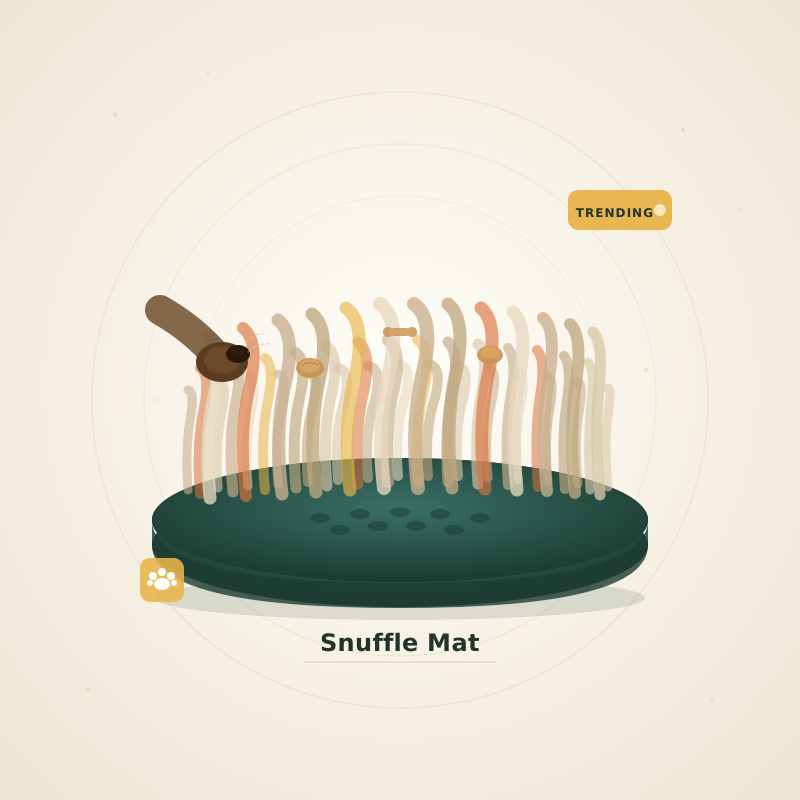
Counter-conditioning works best when your absence reliably predicts something the dog loves. A special food puzzle that only appears when you leave can change the emotional tone of departures. For dogs that aren't yet in full panic, licking and sniffing are naturally calming, self-soothing behaviors that lower arousal. A snuffle mat loaded with kibble turns the first critical minutes after you leave into a focused foraging task instead of a countdown to distress, the sniffing itself helps downshift the nervous system. (Important caveat: food-based tools help mild-to-moderate cases, but a severely anxious dog won't eat at all when alone. If your dog ignores high-value food the second you leave, that's a sign you've moved too fast or need professional help.)
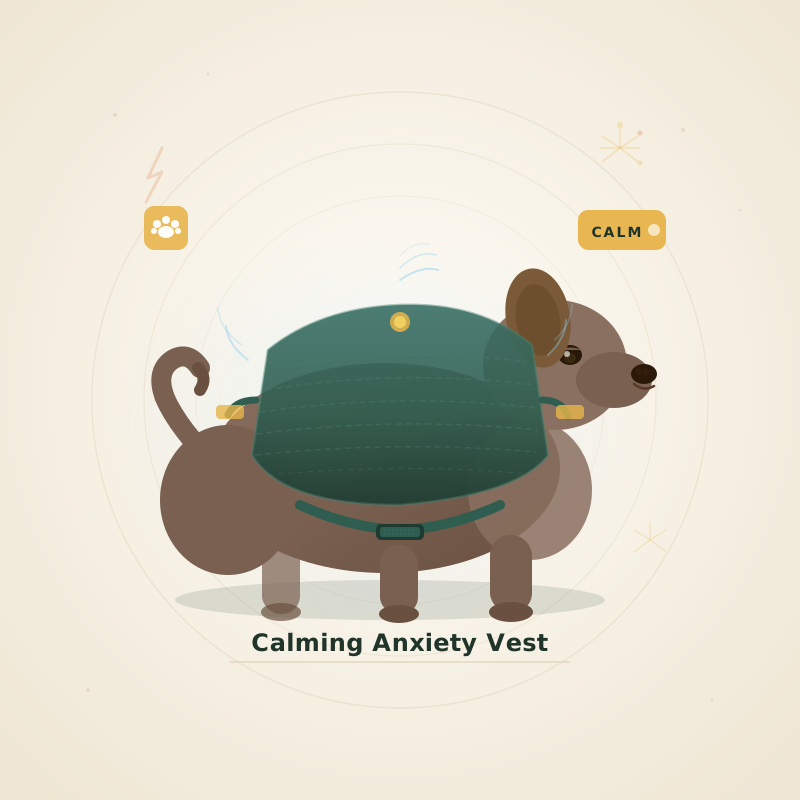
Pressure can help too. Some dogs respond to gentle, constant body pressure the way a swaddle calms an infant. A snug anxiety vest applies that even pressure and works well as one layer of a broader plan, paired with desensitization and enrichment, rather than as a standalone cure. Introduce it on calm, happy occasions first so it doesn't become another departure cue that signals "alone time is coming."
Other supportive layers worth combining:
- Exercise before departures. A genuinely tired dog has a higher threshold for stress. A real walk or play session before you leave matters.
- A consistent safe space. A comfortable spot with your scent (a worn t-shirt helps) and background white noise or calming music to mask outside triggers.
- Mental enrichment. Frozen stuffed feeders, lick mats, and scatter-feeding extend calm engagement.
When to bring in the professionals
Mild cases often improve with the home plan above. But if your dog is injuring themselves, breaking out of crates, soiling despite training, or simply not improving after a few weeks of consistent work, escalate. A certified veterinary behaviorist or a credentialed force-free trainer can build an individualized protocol, and your vet may discuss anti-anxiety medication. Medication isn't a failure or a shortcut; for moderate-to-severe cases it lowers the panic enough that the behavior training can actually take hold. The most successful outcomes usually combine behavior modification, environmental support, and, when needed, medical help.
What not to do
Skip the punishment. Scolding a dog for destruction or accidents that happened while you were gone only adds fear to an already frightened animal, and dogs can't connect a delayed correction to the earlier event. Don't get a second dog purely as a "cure," many separation-anxious dogs panic about the absence of their person, not the absence of any company. And resist flooding: leaving your dog alone for hours hoping they'll "get used to it" almost always makes the panic worse.
Separation anxiety responds to patience and a plan. Film your dog, rule out medical causes, go slow with desensitization, make alone-time genuinely rewarding, and lean on tools like enrichment feeders and pressure wraps as part of the system. Most dogs can learn that being alone is safe, and that an empty house is just a quiet one, not a frightening one.
A quick note: This guide is general pet-care information, not veterinary advice. Every animal is different: if your pet is in distress or you're unsure, call your vet or an emergency animal hospital.